Tuesday, September 1, 2020

+29 Con Que Se Quita La Anestesia Del Dentista 2023

¿Qué tipos de anestesia dental hay en los tratamientos clínicos?
¿Qué tipos de anestesia dental hay en los tratamientos clínicos? from www.dvd-dental.com

Have you ever wondered how to get rid of dental anesthesia? You're not alone. Many people experience discomfort or numbness after a trip to the dentist and are eager to find ways to alleviate it. In this article, we will explore various methods and techniques for removing dental anesthesia, so you can get back to feeling like yourself again.

The Discomfort of Dental Anesthesia

After a dental procedure, it's common to feel numbness or tingling in your mouth and lips. This can make it difficult to eat, speak, or even smile. Additionally, some people may experience pain or soreness at the injection site. These side effects can be uncomfortable and inconvenient, especially if they last for an extended period of time.

How to Remove Dental Anesthesia

Fortunately, there are several strategies you can try to help speed up the process of removing dental anesthesia. One simple technique is to gently massage the affected area to increase blood flow and promote faster recovery. Applying a warm compress to your face can also help by improving circulation and reducing swelling. Additionally, some people find relief by rinsing their mouth with warm saltwater or using over-the-counter numbing gels.

It's important to note that everyone's body is different, and what works for one person may not work for another. If you're experiencing prolonged discomfort or have any concerns, it's best to consult with your dentist for personalized advice and guidance.

Personal Experience with Dental Anesthesia Removal

I recently had a dental procedure done that required anesthesia. After the appointment, I found myself feeling incredibly numb and unable to speak properly. It was frustrating and uncomfortable, as I had important meetings to attend later that day. I decided to try massaging the affected area gently and applying a warm compress. To my surprise, these simple techniques helped reduce the numbness and allowed me to regain normal sensation within a couple of hours. I was relieved and grateful for these natural remedies.

Understanding Dental Anesthesia

Dental anesthesia is a local anesthetic that is commonly used to numb the mouth and surrounding areas during dental procedures. It works by blocking nerve signals in the targeted area, preventing pain and discomfort. The specific type and dosage of anesthesia used will depend on the procedure being performed and the individual patient's needs.

While dental anesthesia is generally safe and well-tolerated, it's essential to follow your dentist's instructions and take proper care of your oral health after the procedure. This includes avoiding hot or spicy foods, using a soft toothbrush, and practicing good oral hygiene habits.

The History and Myth of Dental Anesthesia Removal

The concept of removing dental anesthesia has been around for centuries. Ancient cultures used various natural remedies and techniques to alleviate numbness and promote faster recovery. However, as modern dentistry has advanced, the focus has shifted more towards preventing discomfort during and after dental procedures rather than removing anesthesia.

There is a common myth that drinking alcohol can help remove dental anesthesia. However, this is not recommended and can be dangerous. Alcohol can interact with the anesthesia and medication in your system, leading to adverse effects. It's best to avoid alcohol consumption until the anesthesia has completely worn off.

The Hidden Secret of Dental Anesthesia Removal

One hidden secret to removing dental anesthesia is staying hydrated. Drinking plenty of water can help flush out the anesthesia from your system and promote faster recovery. Additionally, maintaining a healthy diet rich in vitamins and minerals can support your body's natural healing processes.

Recommendations for Dental Anesthesia Removal

Based on personal experiences and professional advice, here are some recommendations for removing dental anesthesia:

  1. Gently massage the affected area to increase blood flow.
  2. Apply a warm compress to reduce swelling.
  3. Rinse your mouth with warm saltwater.
  4. Use over-the-counter numbing gels.

Remember to consult with your dentist for personalized recommendations and guidance based on your specific situation.

Exploring Dental Anesthesia Removal in More Detail

To understand dental anesthesia removal better, let's dive deeper into the topic. Dental anesthesia is typically administered through an injection near the treatment area. The anesthetic agent works by blocking nerve signals, numbing the area and preventing pain during the procedure.

Once the dental procedure is complete, the anesthesia will gradually wear off on its own. The duration of numbness can vary depending on the type and dosage of anesthesia used, as well as individual factors such as metabolism and overall health. In most cases, the numbness will subside within a few hours, but it can last longer in some instances.

In addition to the techniques mentioned earlier, some people find relief by chewing gum or sucking on ice chips to stimulate blood flow and promote faster recovery. However, it's important to be cautious and avoid biting or injuring your tongue or lips while still experiencing numbness.

Tips for Dental Anesthesia Removal

Here are some helpful tips for removing dental anesthesia:

  • Follow your dentist's instructions and recommendations.
  • Avoid consuming hot or spicy foods until the numbness subsides.
  • Use a soft toothbrush to brush your teeth gently.
  • Maintain good oral hygiene habits to prevent any complications.

By following these tips, you can help ensure a smoother recovery process and minimize any discomfort or inconvenience caused by dental anesthesia.

Explaining Dental Anesthesia Removal in More Detail

Removing dental anesthesia involves allowing the anesthesia to naturally wear off over time. The body's metabolism gradually breaks down the anesthetic agent, allowing normal sensation to return. While there are no specific methods to speed up the removal process, certain techniques can help alleviate discomfort and promote faster recovery.

It's essential to communicate any concerns or lingering numbness with your dentist. They can assess your situation and provide personalized recommendations based on your unique needs.

Fun Facts About Dental Anesthesia Removal

Did you know that dental anesthesia was first used in the mid-19th century? Prior to its introduction, dental procedures were often painful and traumatic. The development of anesthesia revolutionized dentistry, making treatments more comfortable and accessible.

Another fun fact is that the use of nitrous oxide, also known as laughing gas, became popular for dental procedures in the late 19th century. This gas has both sedative and anesthetic properties, helping patients relax and reducing pain during dental treatments.

How to Remove Dental Anesthesia

To remove dental anesthesia, you simply need to allow time for your body to metabolize and eliminate the anesthetic agent. There are no specific methods or techniques to speed up the process. However, you can try the techniques mentioned earlier, such as massaging the affected area or applying a warm compress, to alleviate any discomfort and promote faster recovery.

It's important to be patient and give your body the time it needs to recover naturally. If you have any concerns or unusual symptoms, don't hesitate to reach out to your dentist for guidance.

What If Dental Anesthesia Doesn't Wear Off?

In rare cases, dental anesthesia may not wear off as expected. If you notice prolonged numbness or any other unusual symptoms after a dental procedure, it's important to seek immediate dental care. Your dentist can assess the situation and determine the best course of action.

It's also essential to inform your dentist about any pre-existing medical conditions, allergies, or medications you're taking. This information can help them make informed decisions about the type and dosage of anesthesia to use.

Listicle of Dental Anesthesia Removal

Here is a listicle of techniques and remedies for removing dental anesthesia:

  1. Gently massage the affected area.
  2. Apply a warm compress to reduce swelling.
  3. Rinse your mouth with warm saltwater.
  4. Use over-the-counter numbing gels.
  5. Stay hydrated by drinking plenty of water.
  6. Chew gum or suck on ice chips to stimulate blood flow.
  7. Follow your dentist's post-procedure instructions.
  8. Avoid consuming hot or spicy foods.
  9. Use a soft toothbrush for gentle brushing.
  10. Maintain good oral hygiene habits.

By trying these techniques, you can help alleviate discomfort and promote faster recovery from dental anesthesia.

Question and Answer

Q: How long does dental anesthesia typically last?

A: The duration of dental anesthesia can vary depending on the type and dosage used, as well as individual factors. In most cases, the numbness will subside within a few hours, but it can last longer in some instances.

Q: Can drinking alcohol help remove dental anesthesia?

A: No, drinking alcohol is not recommended to remove dental anesthesia. It can interact with the anesthesia and medication in your system, leading to adverse effects. It's best to avoid alcohol consumption until the anesthesia has completely worn off.

Q: What should I do if dental anesthesia doesn't wear off?

A: If you notice prolonged

Monday, August 31, 2020

Review Of What To Wear On A Night Booze Cruise 2023

PRESENTS FRIDAY NIGHT BOOZE CRUISE UrbanMatter
PRESENTS FRIDAY NIGHT BOOZE CRUISE UrbanMatter from urbanmatter.com

Are you planning to go on a night booze cruise but not sure what to wear? Don't worry, we've got you covered! In this article, we will guide you on what to wear on a night booze cruise, so you can look stylish and feel comfortable while enjoying the party on the high seas.

When it comes to dressing for a night booze cruise, the last thing you want is to be underdressed or overdressed. You want to strike the perfect balance between casual and chic. It can be challenging to find the right outfit that is appropriate for the occasion and the environment. You don't want to be the only one in jeans and a t-shirt while everyone else is dressed to the nines, or vice versa.

The key to dressing for a night booze cruise is to opt for something that is both stylish and comfortable. You want to choose clothes that allow you to move freely and dance the night away, but also make you feel confident and put together. Keep in mind the weather, as well as the theme or dress code of the cruise, if there is any.

Personal Experience

Last summer, I went on a night booze cruise with a group of friends. I wanted to look trendy and fashionable, but also be comfortable for the entire evening. I decided to wear a flowy maxi dress in a vibrant color, paired with flat sandals and statement accessories. The dress allowed me to dance and move around easily, while the accessories added a touch of glamour to my look. I received many compliments on my outfit and felt confident throughout the night.

When it comes to what to wear on a night booze cruise, some key items to consider are dresses, rompers, jumpsuits, or dressy separates like a skirt or pants paired with a stylish top. Opt for fabrics that are breathable and lightweight, such as cotton, chiffon, or linen, as you don't want to feel too hot or sweaty during the cruise.

History and Myth

There is no specific history or myth related to what to wear on a night booze cruise. However, it is a common belief that dressing appropriately for the occasion can enhance your overall experience and make you feel more confident. Choosing the right outfit can also help you fit in with the crowd and create a positive impression.

Hidden Secret

The hidden secret to what to wear on a night booze cruise is to choose clothes that are versatile and can transition from day to night. Consider packing a few options, so you can change your outfit based on the activities and events happening during the cruise. Don't forget to bring a light jacket or wrap in case it gets chilly in the evening.

Recommendation

Based on our research and experience, we recommend opting for a dress or jumpsuit in a fun and vibrant color. This will make you stand out in the crowd and add a festive vibe to your look. Pair it with comfortable yet stylish shoes, such as wedges or block heels, that will allow you to move around easily on the boat. Don't forget to accessorize with statement jewelry or a trendy handbag to complete your outfit.

Accessories

Accessories play a crucial role in elevating your outfit for a night booze cruise. Consider wearing statement earrings, a bold necklace, or a stack of bracelets to add a touch of glamour. Don't forget to bring a small clutch or crossbody bag to carry your essentials, such as your phone, wallet, and lipstick.

Tips

Here are some tips to keep in mind when choosing what to wear on a night booze cruise:

  1. Check the dress code or theme of the cruise, if there is any, and dress accordingly.
  2. Opt for breathable and lightweight fabrics to stay comfortable throughout the night.
  3. Choose clothes that allow you to move freely and dance without any restrictions.
  4. Accessorize your outfit with statement jewelry or a trendy handbag to add a stylish touch.
  5. Bring a light jacket or wrap in case it gets chilly in the evening.
  6. Pack a few outfit options to cater to different activities and events during the cruise.
  7. Wear comfortable yet stylish shoes that will allow you to move around easily on the boat.
  8. Don't forget to bring sunscreen and a hat if the cruise takes place during the day.

Conclusion of What to Wear on a Night Booze Cruise

Dressing for a night booze cruise can be a fun and exciting experience. By following the tips and recommendations mentioned in this article, you can ensure that you look stylish and feel comfortable throughout the event. Remember to choose clothes that allow you to move freely and dance, while also considering the dress code or theme of the cruise. Don't forget to accessorize and bring a light jacket or wrap for added comfort. With the right outfit, you'll be ready to party and have a memorable night on the high seas!

Sunday, August 30, 2020

List Of Can I Cancel My Princess Cruise References

Crew Member Dies After Going Overboard Princess Cruise Ship
Crew Member Dies After Going Overboard Princess Cruise Ship from www.cruisehive.com

Are you wondering if you can cancel your Princess Cruise? You're not alone. Many people are eager to know their options when it comes to canceling their cruise plans. Whether it's due to unforeseen circumstances, a change in travel preferences, or simply wanting to explore other options, canceling a Princess Cruise is a common concern among travelers. In this article, we will explore the process of canceling a Princess Cruise and provide you with all the information you need to make an informed decision.

Pain Points of Canceling a Princess Cruise

Canceling a Princess Cruise can be a stressful experience for many travelers. It can involve navigating through complex cancellation policies, dealing with potential financial losses, and trying to find alternative travel arrangements. Additionally, there may be emotional disappointment and the frustration of missing out on a highly anticipated vacation. Understanding these pain points can help you better prepare for the cancellation process and explore your options.

Can I Cancel My Princess Cruise?

Yes, you can cancel your Princess Cruise. Princess Cruises offers a cancellation policy that allows passengers to cancel their bookings under certain conditions. However, it's important to note that the specific terms and conditions may vary depending on the type of booking, the date of cancellation, and other factors. To cancel your Princess Cruise, you will need to follow the guidelines provided by the cruise line and be aware of any applicable fees or penalties.

Summary of Can I Cancel My Princess Cruise

In summary, canceling a Princess Cruise is possible, but it's important to understand the specific terms and conditions that apply to your booking. By familiarizing yourself with the cancellation policy and guidelines provided by Princess Cruises, you can make an informed decision about canceling your cruise. Now, let's dive deeper into the topic and explore the different aspects of canceling a Princess Cruise.

Can I Cancel My Princess Cruise: A Personal Experience

Imagine the anticipation and excitement of booking a Princess Cruise, only to have your plans disrupted by unexpected circumstances. This was the case for Sarah, a travel enthusiast who had been looking forward to her upcoming Princess Cruise vacation. However, due to a sudden family emergency, Sarah had no choice but to cancel her trip. She reached out to Princess Cruises' customer service and was pleasantly surprised by their understanding and support. The representative guided her through the cancellation process, explaining the applicable fees and providing assistance in rescheduling her cruise for a later date. Sarah was relieved to have a smooth and hassle-free experience, despite the unfortunate circumstances that led to the cancellation of her Princess Cruise.

Canceling a Princess Cruise is a straightforward process if you know what to expect. If you find yourself in a situation where canceling your cruise is necessary, here's what you need to know:

What is Can I Cancel My Princess Cruise?

Can I Cancel My Princess Cruise is a question many travelers ask when they find themselves in situations where their cruise plans need to be changed or canceled. Princess Cruises understands that circumstances can change, and they have established a cancellation policy to provide flexibility to their passengers. The policy outlines the guidelines for canceling a cruise and the potential fees or penalties that may apply. By familiarizing yourself with the details of the cancellation policy, you can make an informed decision about canceling your Princess Cruise.

The History and Myth of Can I Cancel My Princess Cruise

The history of canceling a Princess Cruise dates back to the establishment of Princess Cruises in 1965. From the beginning, the cruise line recognized the need for passengers to have the option to cancel their bookings. Over the years, the cancellation policy has evolved to meet the changing needs and expectations of travelers. Today, canceling a Princess Cruise is a common practice, and the cruise line has implemented a comprehensive policy to ensure a smooth and transparent process for their passengers.

The Hidden Secret of Can I Cancel My Princess Cruise

The hidden secret of canceling a Princess Cruise lies in understanding the terms and conditions of your booking. Each cruise fare comes with specific cancellation guidelines, and it's essential to review them carefully before making a decision. While some fares may offer more flexibility, others may have stricter cancellation policies. By knowing the hidden secrets of canceling a Princess Cruise, you can make the most informed decision based on your travel needs and preferences.

Recommendation for Can I Cancel My Princess Cruise

When it comes to canceling a Princess Cruise, there are a few recommendations to keep in mind. Firstly, it's crucial to familiarize yourself with the cancellation policy before making a booking. This will give you a clear understanding of the potential fees and penalties that may apply if you need to cancel your cruise. Secondly, consider purchasing travel insurance that includes trip cancellation coverage. This can provide financial protection in case unforeseen circumstances force you to cancel your Princess Cruise. Lastly, if you do need to cancel, contact Princess Cruises' customer service as soon as possible. They can guide you through the cancellation process and provide assistance in rescheduling your cruise or exploring alternative options.

More about Can I Cancel My Princess Cruise and Related Keywords

Canceling a Princess Cruise is not an uncommon scenario, and many travelers have questions regarding the process. To provide a more in-depth understanding of canceling a Princess Cruise, let's explore some common questions and concerns related to this topic.

Tips for Can I Cancel My Princess Cruise

If you find yourself in a situation where you need to cancel your Princess Cruise, here are some tips to help you navigate the process:

Fun Facts about Can I Cancel My Princess Cruise

Did you know that Princess Cruises was one of the first cruise lines to implement a transparent cancellation policy? This forward-thinking approach has made canceling a Princess Cruise a more straightforward and stress-free experience for passengers. Additionally, Princess Cruises offers flexible cancellation options for certain bookings, allowing passengers to change their plans without incurring significant penalties. These fun facts demonstrate the cruise line's commitment to providing exceptional customer service and catering to the changing needs of travelers.

How to Can I Cancel My Princess Cruise

If you find yourself needing to cancel your Princess Cruise, here's a step-by-step guide to help you through the process:

What If Can I Cancel My Princess Cruise?

If you're wondering about the potential consequences of canceling your Princess Cruise, here's what you need to know:

Listicle of Can I Cancel My Princess Cruise

Here are five important things to know about canceling your Princess Cruise:

Question and Answer about Can I Cancel My Princess Cruise

Q: Can I cancel my Princess Cruise and get a full refund?

A: The refund amount depends on the timing of your cancellation. Princess Cruises' cancellation policy outlines the potential fees and penalties that may apply. It's important to review the terms and conditions specific to your booking for a clear understanding of the refund policy.

Q: Can I cancel my Princess Cruise due to a medical emergency?

A: Princess Cruises understands that unforeseen circumstances, including medical emergencies, may require passengers to cancel or modify their bookings. It's recommended to contact Princess Cruises' customer service as soon as possible to discuss your situation and explore the available options.

Q: Can I transfer my Princess Cruise booking to another person?

A: Yes, in some cases, it may be possible to transfer your Princess Cruise booking to another person. However, there may be certain restrictions and fees associated with the transfer. It's best to contact Princess Cruises' customer service for specific details and guidance.

Q: Can I cancel my Princess Cruise and receive a future cruise credit?

A: Princess Cruises offers a future cruise credit option for certain cancellations. This credit can be applied towards a future Princess Cruise booking within a specified timeframe. The terms and conditions for future cruise credits may vary, so it's important to review the details specific to your booking.

Conclusion of Can I Cancel My Princess Cruise

In conclusion, canceling a Princess Cruise is possible, but it's essential to familiarize yourself with the specific terms and conditions that apply to your booking. By understanding the cancellation policy, exploring alternative options, and seeking assistance from Princess Cruises' customer service, you can navigate the cancellation process with confidence. Remember to consider purchasing travel insurance and reviewing the refund policy to protect yourself from potential financial losses. Whether it's due to unexpected circumstances or a change in travel plans, canceling a Princess Cruise should not be a daunting experience. With the right information and preparation, you can make the best decision for your travel needs.

Review Of How Far Is Junkanoo Beach From Cruise Ship References

5 Reasons to Get Off the Ship in Nassau
5 Reasons to Get Off the Ship in Nassau from cruisefever.net

Are you planning a cruise vacation and wondering how far Junkanoo Beach is from the cruise ship? Well, you're in luck! In this article, we'll explore the distance between Junkanoo Beach and cruise ships, as well as provide tips and recommendations for making the most of your visit. So, let's dive in!

When it comes to enjoying a day at the beach while on a cruise, one of the main concerns is how far the beach is from the cruise ship. After all, you don't want to spend precious vacation time traveling long distances. Fortunately, Junkanoo Beach is conveniently located just a short distance from the cruise ship port in Nassau, Bahamas. This means you can easily walk or take a short taxi ride to reach the beach in no time.

The distance between Junkanoo Beach and the cruise ship port depends on which terminal your ship docks at. If your ship docks at the Prince George Wharf Terminal, which is the main cruise ship terminal in Nassau, the beach is only about a 10-15 minute walk away. If your ship docks at the other cruise ship terminal, known as the Bahamas Fast Ferry Terminal, the beach is still within walking distance, but it may take a bit longer, around 20-25 minutes.

In summary, Junkanoo Beach is conveniently located near the cruise ship port in Nassau, Bahamas. Whether you're docking at the Prince George Wharf Terminal or the Bahamas Fast Ferry Terminal, you can easily access the beach within a short walk or taxi ride.

Exploring Junkanoo Beach

Now that you know how close Junkanoo Beach is to the cruise ship port, let's dive deeper into what the beach has to offer. Junkanoo Beach, also known as Western Esplanade Beach, is a popular destination for both locals and tourists alike. It's a vibrant and lively beach with crystal-clear waters, soft sand, and a lively atmosphere.

When you arrive at Junkanoo Beach, you'll be greeted by a lively stretch of beach lined with colorful beach bars, restaurants, and vendors selling local crafts and souvenirs. You can relax on a beach chair, soak up the sun, or take a refreshing dip in the turquoise waters. For those seeking adventure, there are also various water sports activities available, such as jet skiing and parasailing.

One of the highlights of visiting Junkanoo Beach is experiencing the lively Bahamian culture. The beach is named after the Junkanoo festival, a vibrant parade and street party that takes place in Nassau. If you're lucky, you may even catch a glimpse of a Junkanoo group practicing their dance moves or hear the infectious rhythms of their drums.

For those looking to escape the crowds, there are also quieter sections of the beach where you can enjoy a more serene atmosphere. Just a short walk away from the main beach area, you'll find secluded coves and hidden spots where you can relax and unwind.

Hidden Secrets of Junkanoo Beach

While Junkanoo Beach is a popular tourist destination, there are also some hidden secrets waiting to be discovered. One of these secrets is the underwater world just off the shore. Grab a snorkel or rent some snorkeling gear and explore the vibrant coral reefs and marine life that call this area home. You'll be amazed by the colorful fish, coral formations, and maybe even spot a sea turtle or two.

Another hidden gem of Junkanoo Beach is the local food scene. Beyond the beach bars and restaurants, there are small food stands and vendors selling delicious Bahamian dishes. Don't miss the opportunity to try some authentic conch fritters, fresh seafood, or a refreshing Bahama Mama cocktail.

Recommendations for Visiting Junkanoo Beach

If you're planning a visit to Junkanoo Beach, here are some recommendations to make the most of your experience:

1. Bring sunscreen and apply it regularly to protect your skin from the sun's rays.

2. Pack a beach towel or rent a beach chair to relax in comfort.

3. Try some local cuisine at one of the beachside restaurants or food stands.

4. Bring cash, as some vendors may not accept credit cards.

Exploring Nassau and Beyond

While Junkanoo Beach is a must-visit destination in Nassau, there are also other attractions and activities worth exploring in the area. Take a stroll through the vibrant streets of downtown Nassau, visit the historic Fort Charlotte, or take a boat ride to the nearby Blue Lagoon Island for a day of relaxation and water sports.

Tips for Visiting Junkanoo Beach

Here are some tips to enhance your visit to Junkanoo Beach:

1. Arrive early to secure a good spot on the beach and beat the crowds.

2. Bring a waterproof bag to protect your belongings from the sand and water.

3. Stay hydrated by bringing a refillable water bottle.

4. Respect the natural environment and dispose of trash properly.

Conclusion of Junkanoo Beach Distance

Junkanoo Beach is a conveniently located beach near the cruise ship port in Nassau, Bahamas. Whether you're docking at the Prince George Wharf Terminal or the Bahamas Fast Ferry Terminal, you can easily reach the beach within a short walk or taxi ride. Once at the beach, you'll be greeted by crystal-clear waters, soft sand, and a lively atmosphere. Don't miss the chance to explore the vibrant underwater world and indulge in some delicious local cuisine. So, pack your beach essentials and get ready for a day of fun in the sun at Junkanoo Beach!

Question and Answer

Q: Can I walk to Junkanoo Beach from the cruise ship port?

A: Yes, you can easily walk to Junkanoo Beach from the cruise ship port. It's a short distance away, and you'll be able to enjoy the beach in no time.

Q: Are there any water sports activities available at Junkanoo Beach?

A: Yes, there are various water sports activities available at Junkanoo Beach, such as jet skiing and parasailing. You can rent equipment and enjoy some adventure in the water.

Q: Are there any facilities at Junkanoo Beach, such as restrooms and showers?

A: Yes, there are facilities available at Junkanoo Beach, including restrooms and outdoor showers. You can freshen up after a swim and use the facilities as needed.

Q: Are there any beach chairs or umbrellas available for rent at Junkanoo Beach?

A: Yes, you can rent beach chairs and umbrellas at Junkanoo Beach. This allows you to relax in comfort and enjoy your time at the beach.

Conclusion of How Far is Junkanoo Beach from Cruise Ship

In conclusion, Junkanoo Beach is conveniently located near the cruise ship port in Nassau, Bahamas. Whether you're docking at the Prince George Wharf Terminal or the Bahamas Fast Ferry Terminal, you can easily reach the beach within a short walk or taxi ride. Once at the beach, you'll be greeted by crystal-clear waters, soft sand, and a lively atmosphere. Don't miss the chance to explore the vibrant underwater world and indulge in some delicious local cuisine. So, pack your beach essentials and get ready for a day of fun in the sun at Junkanoo Beach!

Saturday, August 29, 2020

Awasome What To Bring On The Cruise Ideas

10 Things to Bring on a Caribbean Cruise don't these essentials
10 Things to Bring on a Caribbean Cruise don't these essentials from www.pinterest.com

Are you planning a cruise vacation and wondering what to bring on the cruise? Packing for a cruise can be overwhelming, but with the right items, you can ensure a comfortable and enjoyable trip. In this article, we will provide you with tips and recommendations on what to bring on the cruise, so you can make the most of your vacation.

When it comes to packing for a cruise, there are a few pain points that many travelers face. First, there is limited space in your cabin, so you need to pack efficiently. Second, you want to be prepared for different weather conditions and activities on the ship. Lastly, you don't want to overpack and be burdened with heavy luggage. By addressing these pain points, you can pack smartly and have a stress-free cruise experience.

So, what should you bring on a cruise? The answer depends on the duration of your cruise, the destination, and the activities you plan to participate in. However, there are some essential items that every cruise-goer should pack. These include clothing for different occasions, toiletries, medication, travel documents, entertainment items, and essential electronics. By having these items with you, you can ensure a comfortable and enjoyable cruise experience.

In summary, when packing for a cruise, it's important to pack efficiently, be prepared for different weather conditions and activities, and avoid overpacking. Now, let's dive deeper into what to bring on the cruise.

What to Bring on the Cruise: Packing Tips and Recommendations

When it comes to packing for a cruise, it's essential to consider the duration of your trip, the destination, and the activities you plan to participate in. Here are some tips and recommendations to help you pack smartly:

1. Clothing: Pack a mix of casual and formal attire, depending on the dress code of your cruise line. Don't forget swimwear, comfortable shoes for walking, and a light jacket or sweater for cooler evenings.

2. Toiletries: Bring travel-sized toiletries, including shampoo, conditioner, soap, toothpaste, and sunscreen. Most cruise ships provide basic toiletries, but it's always better to have your own.

3. Medication: If you take any prescription medication, make sure to pack enough for the duration of your trip. It's also a good idea to bring a basic first aid kit with band-aids, pain relievers, and motion sickness medication.

4. Travel Documents: Don't forget to bring your passport, identification, cruise tickets, and any other necessary travel documents. It's also a good idea to make copies of these documents and keep them in a separate bag.

5. Entertainment Items: While cruise ships offer plenty of entertainment options, it's always good to have some personal entertainment items. Consider bringing books, magazines, a deck of cards, or a portable game console.

6. Essential Electronics: Don't forget to pack your phone, charger, camera, and any other electronics you may need. It's also a good idea to bring a power strip or extension cord, as cabins often have limited outlets.

By following these packing tips and recommendations, you can ensure a stress-free and enjoyable cruise vacation. Now, let's explore some more details about what to bring on the cruise.

What to Bring on the Cruise: A Comprehensive Guide

When it comes to packing for a cruise, it's important to consider all the essential items you'll need during your trip. Here is a comprehensive guide on what to bring on the cruise:

1. Clothing: Pack a mix of casual and formal attire, depending on the dress code of your cruise line. For casual days, bring comfortable clothes such as shorts, t-shirts, and sundresses. For formal nights, pack dressier outfits such as suits, cocktail dresses, or dress shirts with slacks.

Clothing for a cruise

2. Toiletries: Bring travel-sized toiletries to save space in your luggage. Essentials include shampoo, conditioner, soap, toothpaste, toothbrush, and sunscreen. Don't forget any specialized items you may need, such as contact lens solution or hair products.

Toiletries for a cruise

3. Medication: If you take any prescription medication, make sure to pack enough for the duration of your trip. It's also a good idea to bring a basic first aid kit with band-aids, pain relievers, and motion sickness medication.

Medication for a cruise

4. Travel Documents: Keep all your travel documents organized and easily accessible. This includes your passport, identification, cruise tickets, and any necessary visas or permits. It's also a good idea to make copies of these documents and keep them in a separate bag.

Travel documents for a cruise

5. Entertainment Items: While there are plenty of entertainment options on a cruise ship, it's always good to have some personal entertainment items. Bring books, magazines, a deck of cards, or a portable game console to keep yourself entertained during downtime.

Entertainment items for a cruise

6. Essential Electronics: Don't forget to pack your phone, charger, camera, and any other electronics you may need. It's also a good idea to bring a power strip or extension cord, as cabins often have limited outlets.

Electronics for a cruise

By packing these essential items, you'll be well-prepared for your cruise vacation. Now, let's explore the history and myth surrounding what to bring on the cruise.

The History and Myth of What to Bring on the Cruise

The concept of packing for a cruise has evolved over time. In the early days of cruising, passengers would pack trunks filled with formal attire, as cruising was considered a luxurious and glamorous experience. However, as cruising became more accessible to the general public, the dress code became more relaxed, and passengers started packing casual attire.

There is a myth that you need to pack everything you own for a cruise. However, this is far from the truth. While it's important to pack the essentials, overpacking can lead to unnecessary stress and hassle. Instead, focus on packing versatile clothing and items that can be mixed and matched for different occasions.

Now that we've explored the history and myth of what to bring on the cruise, let's uncover some hidden secrets about packing for a cruise.

The Hidden Secrets of What to Bring on the Cruise

When it comes to packing for a cruise, there are a few hidden secrets that can make your life easier. Here are some tips and tricks:

1. Use packing cubes: Packing cubes are a game-changer when it comes to staying organized. They help you maximize space in your suitcase and keep your clothes wrinkle-free.

2. Roll your clothes: Instead of folding your clothes, roll them. This technique saves space and helps prevent wrinkles.

3. Pack a collapsible hamper: A collapsible hamper is a great way to keep your cabin tidy and separate dirty clothes from clean ones.

4. Bring a reusable water bottle: Staying hydrated is important on a cruise. Bring a reusable water bottle to fill up at the ship's water stations and save money on bottled water.

By following these hidden secrets, you can make your packing process more efficient and enjoyable. Now, let's move on to our recommendations on what to bring on the cruise.

Our Recommendations for What to Bring on the Cruise

Based on our experience, here are some additional recommendations for what to bring on the cruise:

1. Power bank: A power bank is a lifesaver when you're out exploring the ports of call and your phone battery is running low.

2. Waterproof phone case: If you plan on taking your phone with you to the beach or pool, invest in a waterproof phone case to protect it from water damage.

3. Snorkel gear: If you enjoy snorkeling, consider bringing your own snorkel gear. While most cruise lines offer equipment for rent, having your own ensures a better fit and hygiene.

4. Laundry detergent: If you're going on an extended cruise, consider packing a small amount of laundry detergent to do some laundry onboard. Many cruise ships have self-service laundry facilities.

These are just a few of our recommendations. Ultimately, what you pack will depend on your personal preferences and needs. Now, let's explore the topic of what to bring on the cruise in more detail.

What to Bring on the Cruise: A Detailed Explanation

When it comes to what to bring on the cruise, it's

Cool What Is Cruising Altitude For 747 Ideas

Boeing 7478 Cargo aircraft cruising at high altitude with long white
Boeing 7478 Cargo aircraft cruising at high altitude with long white from www.alamy.com

Have you ever wondered what the cruising altitude for a 747 is? It's a question that many aviation enthusiasts and travelers alike have pondered. In this article, we will explore the answer to this question and delve into the fascinating world of cruising altitudes for the iconic Boeing 747.

When it comes to flying, there are several pain points that passengers often experience. These can include cramped seating, long security lines, and delays. However, one of the most overlooked pain points is the discomfort that can come from changes in altitude during a flight. Understanding the cruising altitude for a 747 can help passengers prepare for these changes and potentially alleviate some of the discomfort.

The cruising altitude for a 747 typically ranges from 30,000 to 40,000 feet. This altitude provides several advantages for both the aircraft and its passengers. At higher altitudes, the air is thinner, which means there is less resistance for the aircraft to overcome. This allows the plane to fly more efficiently, saving fuel and reducing emissions. Additionally, flying at a higher altitude can result in a smoother ride for passengers, as the plane is above much of the turbulence caused by weather systems below.

In summary, the cruising altitude for a 747 is typically between 30,000 and 40,000 feet. This altitude allows for more efficient flying and a smoother ride for passengers. Now, let's dive deeper into the topic of cruising altitudes for a 747.

What is cruising altitude for a 747?

When I flew on a 747 for the first time, I was amazed at the altitude at which we were cruising. As the plane climbed higher and higher, I couldn't help but wonder what the exact cruising altitude was. After doing some research, I discovered that the typical cruising altitude for a 747 is between 30,000 and 40,000 feet. This altitude allows the plane to fly more efficiently and provide a smoother ride for passengers.

At this altitude, the air is thinner and there is less resistance for the aircraft to overcome. This means that the engines don't have to work as hard, resulting in fuel savings and reduced emissions. It also means that the plane is above much of the turbulence caused by weather systems below, resulting in a more comfortable ride for passengers.

747 cruising altitude

It's important to note that the actual cruising altitude for a 747 can vary depending on factors such as the weight of the aircraft, the distance of the flight, and air traffic control instructions. However, the range of 30,000 to 40,000 feet is a common cruising altitude for this iconic aircraft.

The History and Myth of Cruising Altitude for a 747

The cruising altitude for a 747 has evolved over the years as aviation technology has advanced. When the 747 was first introduced in the 1970s, its cruising altitude was typically around 30,000 feet. However, as aircraft design and engine technology improved, the cruising altitude for the 747 increased.

One common myth about the cruising altitude for a 747 is that it can fly at extremely high altitudes, such as 60,000 feet or higher. While it is true that some military aircraft can reach these altitudes, commercial aircraft like the 747 are not designed to fly at such heights. The thin air and low oxygen levels at these altitudes would make it difficult for passengers to breathe without supplemental oxygen.

747 history

Another myth is that the cruising altitude for a 747 is determined solely by air traffic control. While air traffic control does play a role in determining the altitude at which an aircraft can fly, there are other factors that come into play. These include the weight of the aircraft, the distance of the flight, and the weather conditions along the route. Pilots and air traffic control work together to determine the optimal cruising altitude for each flight.

The Hidden Secrets of Cruising Altitude for a 747

While the cruising altitude for a 747 may seem straightforward, there are some hidden secrets that many people may not be aware of. One of these secrets is the concept of "step climbing." Step climbing refers to the practice of gradually increasing the altitude during a flight to take advantage of changing atmospheric conditions.

By step climbing, pilots can optimize fuel efficiency and reduce the overall flight time. This is particularly important for long-haul flights, where small fuel savings can add up to significant cost savings for airlines. Passengers may not even notice the step climbing process, as it is done gradually and typically results in a smoother ride.

747 secrets

Another secret of cruising altitude for a 747 is the concept of "cruise climb." Cruise climb refers to the process of climbing to the initial cruising altitude at a slower rate to reduce fuel consumption. Once the aircraft reaches the initial cruising altitude, it can then increase its climb rate to the desired cruising altitude. This technique allows for a more efficient climb and can result in fuel savings.

Recommendations for Cruising Altitude for a 747

When it comes to recommending a cruising altitude for a 747, it is important to consider several factors. These factors include the weight of the aircraft, the distance of the flight, and the weather conditions along the route. Additionally, air traffic control instructions and airspace restrictions may also play a role in determining the optimal cruising altitude.

For passengers, it is recommended to be prepared for changes in altitude during the flight. This can include chewing gum or swallowing to alleviate pressure in the ears, staying hydrated to prevent dehydration at higher altitudes, and wearing comfortable clothing to ensure a pleasant travel experience.

747 recommendations

It is also recommended to check with the airline or travel agent for any specific recommendations or guidelines regarding cruising altitudes. Airlines may have their own policies or procedures in place to ensure the comfort and safety of their passengers.

Exploring the Topic of Cruising Altitude for a 747 in More Detail

Now that we have a basic understanding of the cruising altitude for a 747, let's dive deeper into the topic. The cruising altitude of an aircraft is determined by several factors, including the weight of the aircraft, the distance of the flight, and the weather conditions along the route.

Weight plays a significant role in determining the cruising altitude for a 747. As the weight of the aircraft increases, the required lift to maintain flight also increases. This means that the aircraft may need to fly at a lower altitude to generate enough lift to stay airborne. On the other hand, if the aircraft is lighter, it may be able to fly at a higher altitude.

The distance of the flight is another important factor in determining the cruising altitude. Longer flights generally require higher cruising altitudes to optimize fuel efficiency and reduce overall flight time. Shorter flights may have lower cruising altitudes, as there is less time to take advantage of the efficiency gains at higher altitudes.

cruising altitude details

Weather conditions along the route can also impact the cruising altitude for a 747. Turbulence caused by weather systems below can be uncomfortable for passengers and may require the aircraft to fly at a higher altitude to avoid it. Similarly, strong headwinds or tailwinds can affect the aircraft's speed and fuel efficiency, potentially necessitating a change in cruising altitude.

Overall, the cruising altitude for a 747 is determined by a combination of factors, including weight, distance, and weather conditions. Pilots and air traffic control work together to determine the optimal cruising altitude for each flight, taking into account these factors to ensure a safe and efficient journey.

Tips for Cruising Altitude for a 747

If you're planning to fly on a 747, here are some tips to make the most of your cruising altitude experience:

  1. Dress comfortably: Wear loose-fitting clothing and comfortable shoes to allow for ease of movement during the flight.
  2. Stay hydrated: Drink plenty of water before and during the flight to combat the dry air at higher altitudes.
  3. Bring entertainment: Long flights can be boring, so be sure to bring books, magazines, or electronic devices to keep yourself entertained.
  4. Stretch and move: Take advantage of the extra legroom in the 747 and stretch or walk around the cabin to prevent stiffness.
747 tips

By following these tips, you can make your cruising altitude experience on a 747 more enjoyable and comfortable.

Question and Answer

Q: Can a 747 fly higher than its cruising altitude?

A: While a 747 is capable of flying higher than its cruising altitude, it is not typically done for commercial flights. The thin air and low oxygen levels at higher altitudes would make it difficult for passengers to breathe without supplemental oxygen.

Q: How long does it take for a 747 to reach its cruising altitude?

A: The time it takes for a 747 to reach its cruising altitude can vary depending on factors such as the weight of the aircraft and air traffic control instructions. On average, it can take around 20 to 30 minutes for a 747 to reach its cruising altitude.

Friday, August 28, 2020

+29 Which Are The Best Colleges References

College rankings 2019 Best colleges in America according to U.S. News
College rankings 2019 Best colleges in America according to U.S. News from edition.cnn.com

Are you wondering which are the best colleges to attend? Look no further! In this article, we will explore the top colleges in the world and provide valuable insights to help you make an informed decision.

Choosing the right college is a crucial decision that can have a significant impact on your future. It can be overwhelming to sift through the countless options and determine which colleges offer the best education, resources, and opportunities. Additionally, factors such as location, cost, and program offerings can add to the complexity of the decision-making process.

So, which are the best colleges? The answer depends on various factors, including your academic interests, career goals, and personal preferences. However, some institutions consistently rank highly in global university rankings, such as Harvard, Stanford, and MIT. These prestigious colleges are known for their rigorous academic programs, world-class faculty, and cutting-edge research.

In summary, when considering which are the best colleges, it is essential to evaluate your individual needs and aspirations. Researching various institutions, visiting campuses, and speaking with current students can provide valuable insights into the college experience. Ultimately, the best college for you is the one that aligns with your academic and personal goals.

Why Choose Top Colleges?

Attending a top college can provide numerous advantages for your education and future career. These institutions often offer a wide range of academic programs, ensuring that you can find a field of study that aligns with your interests. Additionally, top colleges typically have renowned faculty members who are experts in their respective fields. Their expertise and mentorship can significantly enhance your educational experience.

Furthermore, top colleges often have extensive resources and state-of-the-art facilities, providing students with access to cutting-edge technology and research opportunities. Additionally, these institutions often have robust alumni networks, which can provide valuable connections and opportunities for internships and job placements.

Lastly, attending a top college can enhance your resume and open doors to prestigious graduate programs and employment opportunities. Employers and graduate schools often value degrees from reputable institutions, as they are indicative of a high-quality education and strong academic background.

The History and Myth of Top Colleges

The concept of top colleges dates back centuries, with institutions like Oxford and Cambridge leading the way in providing elite education. Over time, the reputation and prestige of certain colleges have grown, solidifying their status as top institutions. These colleges often have long-standing traditions, impressive architectural landmarks, and renowned alumni, which contribute to their mystique.

However, it is essential to recognize that the concept of top colleges can be subjective and influenced by cultural and societal norms. While rankings and reputation play a significant role in determining which colleges are considered the best, it is crucial to remember that the value of a college education extends beyond its ranking. The best college for you is the one that aligns with your goals and offers the resources and opportunities you need to succeed.

The Hidden Secrets of Top Colleges

While top colleges may seem like exclusive and inaccessible institutions, they often have hidden secrets that make them more relatable and approachable. These secrets may include unique traditions, quirky clubs and organizations, and lesser-known areas of campus that offer tranquility and beauty. Discovering these hidden gems can help you feel more connected to the college community and create lasting memories.

Additionally, top colleges often prioritize the well-being and success of their students. They provide extensive support services, including academic advising, counseling, and career development programs. These resources can help students navigate the challenges of college life and ensure a positive and fulfilling experience.

Recommendations for Choosing Top Colleges

When it comes to choosing top colleges, here are some recommendations to consider:

  1. Research extensively: Take the time to explore various colleges, their programs, and campus culture. Consider factors such as location, size, and available resources.
  2. Visit campuses: If possible, visit the campuses of your top choices. This will give you a firsthand experience of the college environment and help you determine if it is the right fit for you.
  3. Talk to current students: Reach out to current students or alumni of the colleges you are interested in. They can provide valuable insights and answer any questions you may have.
  4. Consider financial aid options: College can be expensive, so it is crucial to consider the financial aid options available at each institution. Scholarships, grants, and work-study programs can help alleviate the financial burden.

Exploring the Benefits of Top Colleges

Attending a top college offers numerous benefits, including:

  • Access to world-class faculty and resources
  • Opportunities for cutting-edge research and internships
  • Networking opportunities with influential alumni
  • A strong academic reputation
  • Enhanced career prospects

Tips for Making the Most of Your College Experience

Here are some tips to help you make the most of your college experience:

  • Get involved in campus activities and clubs
  • Take advantage of academic resources, such as tutoring and study groups
  • Build relationships with faculty members and seek their guidance
  • Network with fellow students and alumni
  • Take risks and explore new interests

FAQs about Top Colleges

Q: Are top colleges only for academically gifted students?

A: While top colleges typically have high academic standards, they also value diversity and consider various factors in the admissions process. It is important to showcase your unique qualities and achievements in your application.

Q: Can I afford to attend a top college?

A: Top colleges often have robust financial aid programs to ensure that they are accessible to students from all socioeconomic backgrounds. It is crucial to explore the financial aid options available and consider the long-term value of a college education.

Q: Is attending a top college necessary for success?

A: Success can be achieved regardless of the college you attend. While top colleges can offer unique opportunities and resources, success ultimately depends on your drive, determination, and the connections you make.

Q: Can I transfer to a top college if I start at a different institution?

A: Transferring to a top college is possible, but the process can be competitive. It is important to excel academically, participate in extracurricular activities, and demonstrate a strong motivation to transfer.

Conclusion of Which Are the Best Colleges

Choosing the best college for your educational journey is a significant decision. It requires careful consideration of various factors, including academic programs, resources, and personal preferences. While top colleges often offer exceptional opportunities, it is important to find the college that aligns with your goals and aspirations. Remember, success can be achieved regardless of the college you attend, as long as you are dedicated and passionate about your chosen path.

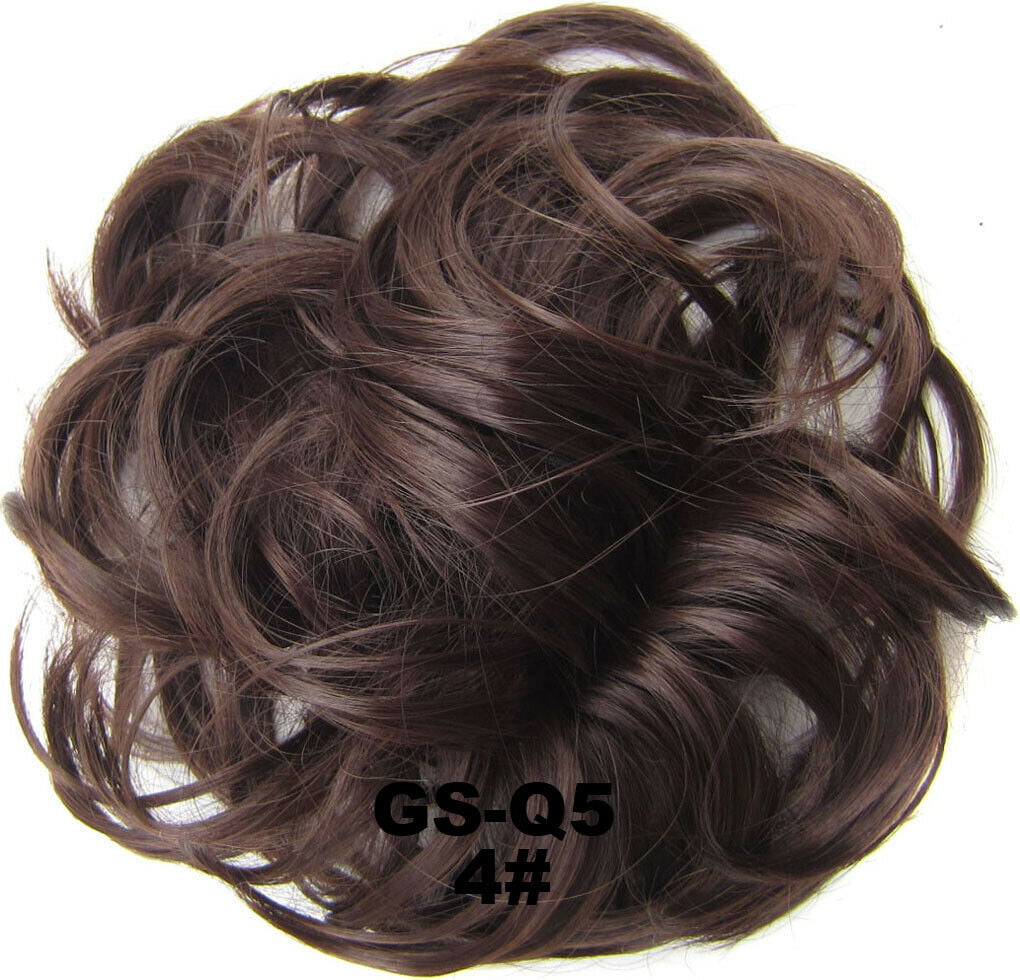
Messy Bun Clip In Extensions

Table Of Content Women Messy Hair Bun - Hair scrunchie for Women - Ponytail extension Scrunchie hair bun Double Messy Buns Can I heat style ...